
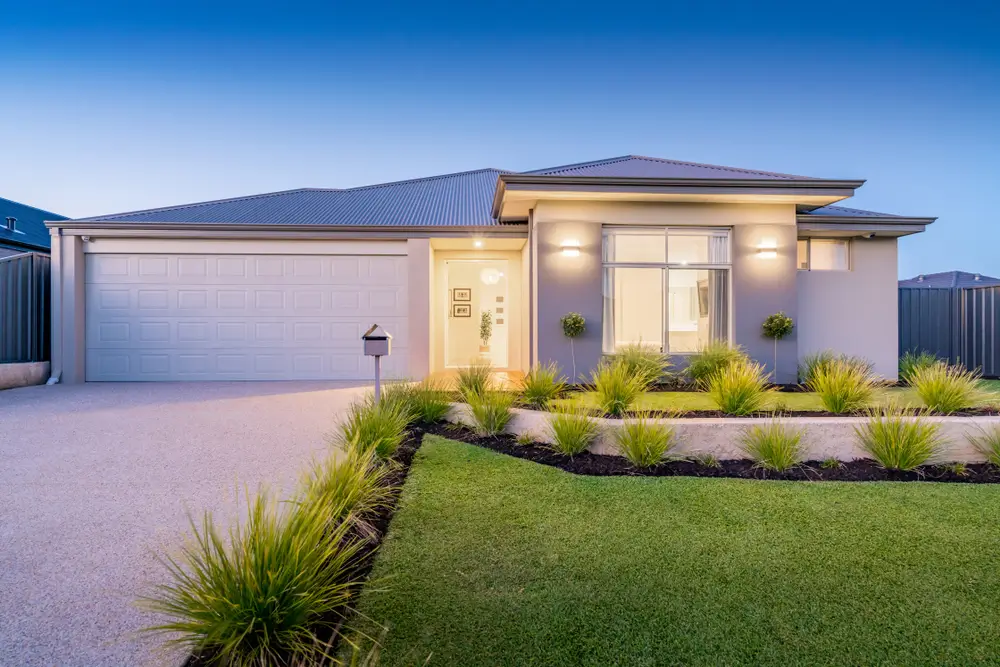
A project’s success is often defined by what the client doesn’t notice: no unexpected costs, no post-handover hassles, and effortless comfort.
While visual finishes get the initial ‘wow,’ it’s the unseen systems that determine long-term satisfaction. Planning climate control from the blueprint stage is an important part of the process.
To help, we’ve broken down the most important considerations below.
Smart Building Choices for Energy Efficiency
The building’s shell and orientation play a huge role in the final heating and cooling load, and generally, a building’s heating and cooling system is its biggest energy drain, accounting for about 40% of the bill.
To ensure energy efficiency is accounted for in your overall building design, consider:
- Site Position: How the building sits on the block can be a game-changer.
Facing living areas north for winter sun and shading western walls from the harsh afternoon sun is a simple, effective strategy for reduced heating/cooling needs. - Insulation: Good insulation is non-negotiable.
Insulation can cut heating and cooling costs by around 15%, making it one of the easiest ways to make a building comfortable all year round. - Windows: Windows can be huge heat traps, letting in up to 87% of summer heat.
Specifying high-performance double-glazing is a straightforward way to manage overall comfort and boost the building’s energy rating.
The HVAC Blueprint Guide
To get the most out of your air conditioning system and ensure long-term comfort and efficiency, careful planning before installation is key.
- Match the System to the Layout
Is the floor plan better suited to a ducted system for discreet coverage, or would a multi-split system better serve distinct zones like individual offices or residential wings? - Define Smart Zoning
If using a ducted system, map out the zones logically. Grouping bedrooms separately from living areas or offices from common spaces allows the end-user to direct air only where it’s needed. - Plan for Air Quality and Ventilation
Plan for mechanical ventilation in all wet areas (bathrooms, laundries, commercial kitchens), and consider how fresh air will be introduced to keep the indoor air fresh and healthy. - Designate Outdoor Unit Locations
Specify locations for outdoor units that provide required clearances for airflow and where noise won’t be an issue for occupants or neighbours. A poorly placed unit can ruin the look of the building’s exterior. - Plan for Smart Controls
If the project includes building automation, integrate the HVAC controls from the start. Smart thermostats and app-based systems can be hardwired during construction for a clean, reliable finish.
Contact the Port Stephens Air Conditioning team! We’ll help you design and install the most practical system for our coastal climate, providing a clear quote that fits your scope and keeps your project on track.